-
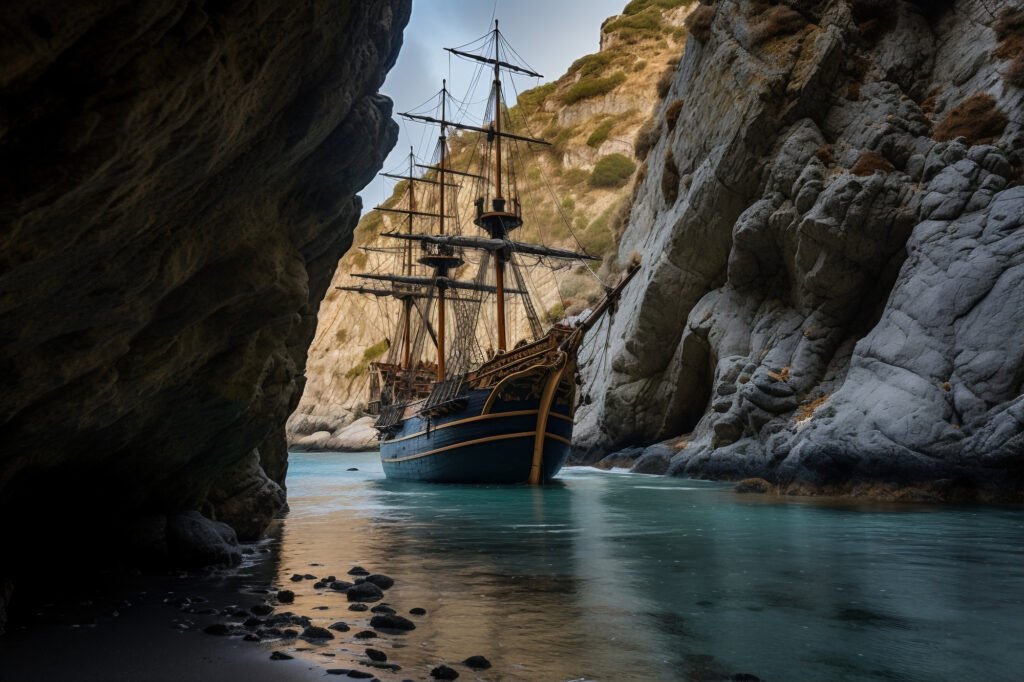
Driven by the lucrative global spice trade, Portuguese explorer Ferdinand Magellan proposed a dangerous westwards route to the Maluku Islands (the Spice Islands) under the flag of Spain. Setting sail in 1519 with a fleet of five ships and 270 men, the expedition faced mutinies, harsh Antarctic weather, and uncharted waters.
Magellan successfully navigated the treacherous passage at the southern tip of South America—now known as the Strait of Magellan—and entered the vast Pacific Ocean. Although Magellan was killed in battle in the Philippines in 1521, the remaining crew, commanded by Juan Sebastián Elcano, continued westward across the Indian Ocean and around Africa. In September 1522, the Victoria limped back into a Spanish harbor with only 18 surviving crew members, definitively proving the interconnectedness of the world’s oceans.
16th Century (1519–1522)